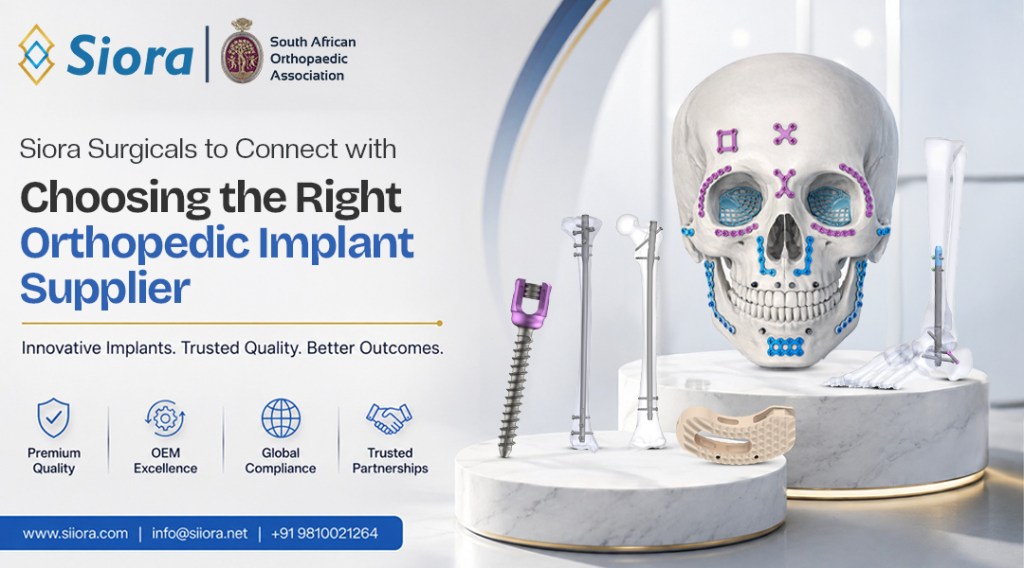
The orthopedic industry is evolving rapidly, with hospitals and healthcare providers increasingly focusing on delivering better patient outcomes. While selecting orthopedic implants, one of the most important decisions healthcare institutions face is choosing the right supplier. The challenge often lies in balancing cost and quality. Lower prices may seem attractive initially, but compromising on quality can have serious long-term consequences. Therefore, understanding how to evaluate both factors is essential when selecting an orthopedic implant supplier.
Why Supplier Selection Matters?
Orthopedic implants play a critical role in fracture fixation, joint replacement, and spine surgeries. The quality of these devices directly impacts surgical success, patient recovery, and overall healthcare costs. A reliable supplier not only provides high-quality implants but also ensures consistency, timely deliveries, and technical support.
Selecting a supplier solely based on price may result in hidden costs, including product failures, revision surgeries, or supply chain disruptions. Hence, healthcare providers must adopt a comprehensive approach while evaluating potential suppliers.
The Risks of Prioritizing Low Cost Alone
Budget constraints are a reality for many hospitals and distributors. However, choosing the cheapest option without assessing product quality can lead to several issues:
- Increased chances of implant failure.
- Higher rates of revision surgeries.
- Reduced surgeon confidence during procedures.
- Additional expenses related to patient care and prolonged hospitalization.
An implant that appears inexpensive at the time of purchase may eventually cost more if it fails to perform as expected.
Quality: A Non-Negotiable Factor
Quality should always remain a top priority when selecting an orthopedic implant supplier. High-quality implants are manufactured using medical-grade raw materials and undergo stringent quality checks before reaching the market.
When assessing quality, consider the following factors:
- Certifications and Regulatory Compliance
Reputable manufacturers comply with international standards such as ISO 13485 and possess regulatory approvals like CE marking or US FDA clearance, where applicable. These certifications demonstrate adherence to recognized quality management systems.
- Manufacturing Standards
Modern manufacturing facilities equipped with advanced CNC machines, automated inspection systems, and validated production processes contribute significantly to product consistency and reliability.
- Clinical Performance
Suppliers with a proven track record and positive feedback from orthopedic surgeons often inspire greater confidence. Reviewing clinical outcomes and customer testimonials can provide valuable insights.
Finding the Right Balance Between Cost and Quality
Cost remains an important consideration, but it should be evaluated alongside product quality and overall value. Instead of focusing solely on the purchase price, healthcare providers should analyze the total cost of ownership.
Key questions to ask include:
- Does the supplier offer durable and reliable implants?
- Are products supported by appropriate certifications?
- Is technical assistance available when needed?
- Can the supplier ensure uninterrupted product availability?
A supplier offering slightly higher-priced implants may ultimately deliver better value through superior product performance and reduced postoperative complications.
The Importance of Long-Term Partnerships
Building a long-term relationship with a dependable orthopedic implant supplier benefits both healthcare providers and patients. Reliable suppliers typically offer consistent product quality, training programs, prompt customer support, and customized solutions based on specific clinical requirements.
Strong partnerships also help healthcare institutions maintain inventory efficiently and avoid unexpected shortages that could disrupt surgical schedules.
Final Thoughts
Choosing the right orthopedic implant supplier is a lot more than just comparing price lists. While cost is undeniably important, quality should never be compromised. The ideal supplier is one that strikes the right balance between affordability, product excellence, regulatory compliance, and dependable service.
By carefully evaluating both cost and quality, hospitals, distributors, and surgeons can make informed decisions that support successful surgical outcomes and improve patient care in the long run.
To explore an advanced and cutting-edge range of orthopedic implants & instruments conforming to international standards, visit booth no. 1 at the SAOA Conference 2026.
 siiora surgicals pvt. ltd